Managing Crohn’s
Every body is different, so there’s no one way to manage Crohn’s. However, there are steps you can take to help manage your symptoms and navigate life with Crohn’s disease (CD). Partner with your care team to come up with a plan that works for you.

Living with Crohn’s
Living with a chronic disease has its challenges. Every day is different, but learning to prioritize your health and wellness can help keep your journey on the right path. That can mean continuing towards your goals, but remembering to go easy on yourself and give yourself a break when you need it.



Partnering with your healthcare team
Setting goals
When it comes to goals, your healthcare provider may share their perspective from a medical standpoint, but only you know what truly matters for your day-to-day life. Think about your individual goals so you can confidently bring them up with your healthcare provider and find a treatment plan that works best for you.
Shared decision-making
Work with your care team to understand the potential benefits and risks of different options when it comes to your Crohn’s care and treatment. Ask questions and share your preferences and values with them. This is called shared decision-making. It can help you feel more confident in your plan—and help you stick to it.
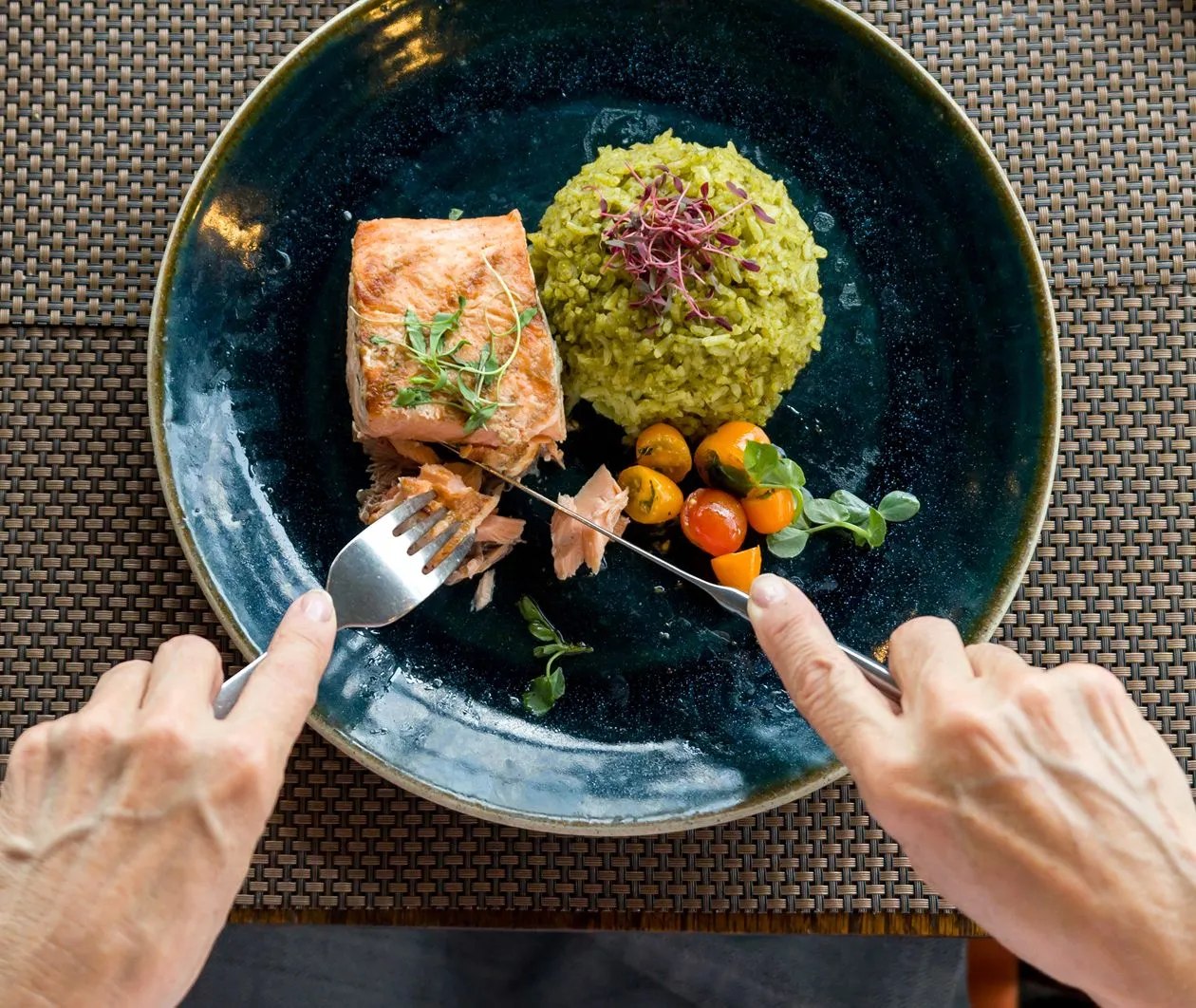

Eating the right foods
There’s no perfect diet or nutritional cure for Crohn’s. But there are things you can do to help manage your symptoms.
- Avoid foods that worsen your symptoms.
- Watch out for dairy and drinks that have caffeine, carbonation, or alcohol.
- Try eating 5–6 small meals throughout the day rather than a few large ones.
- Be sure to drink plenty of water.
- Pay close attention to your body. Keep a food diary that tracks what you eat and how you feel after.
- Consider talking to a dietitian.
Make sure you talk to your care team before changing your diet or if you experience changes in appetite.
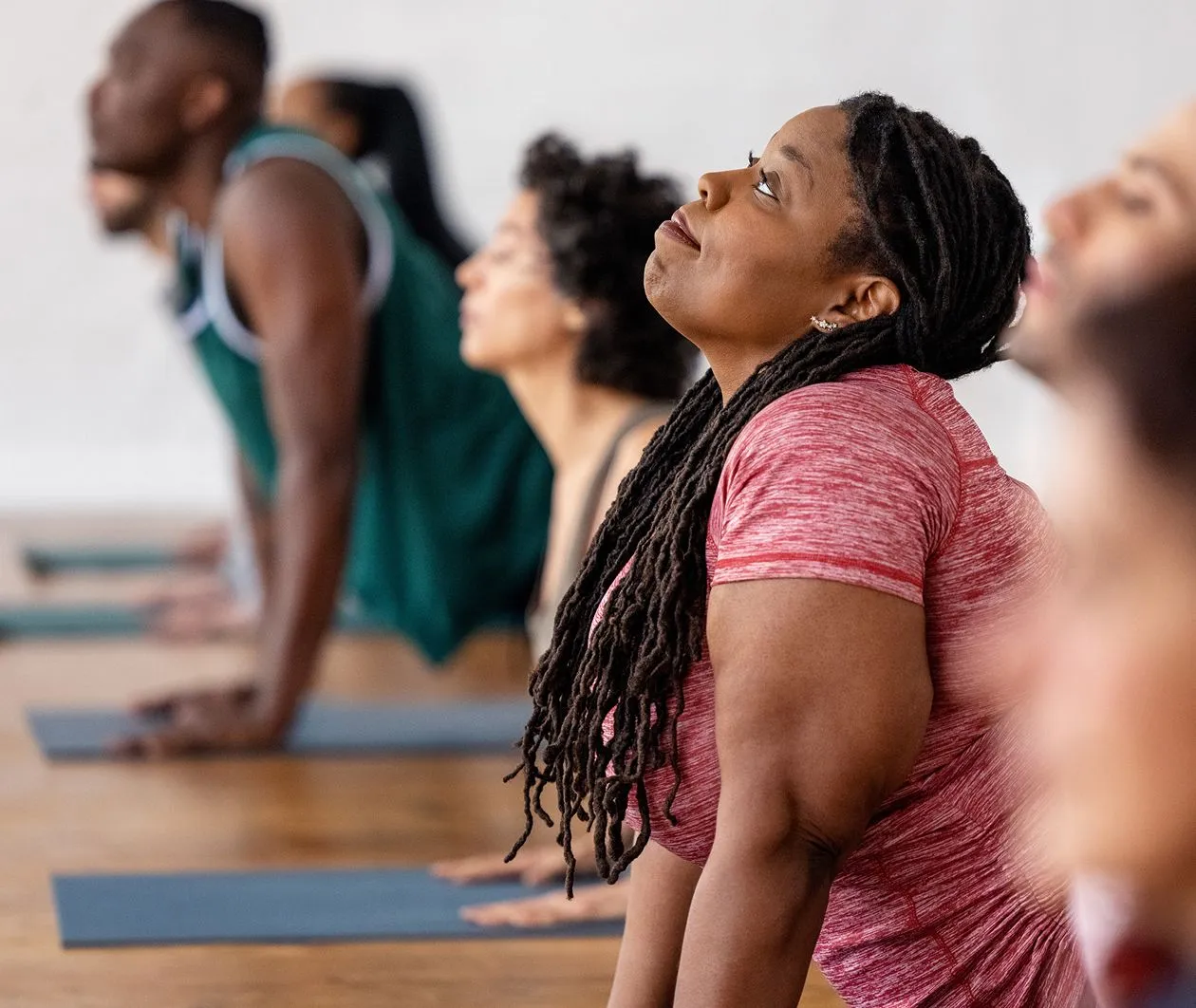

Exercising with Crohn’s
Regular physical activity is essential for a healthy adult lifestyle.
Keep in mind, the kind of exercise you can (or should) do may vary. This might depend on whether you’re in remission (a mild disease state) or having a flare. Generally speaking, low-impact, moderate exercises are recommended for people with Crohn’s. Examples of these include:
- Walking
- Biking
- Swimming
- Yoga
- Elliptical
- Rowing
Be sure to check with your care team before starting any exercise regimen. They can help you choose an exercise routine that’s right for you.


Minding your mental health
Crohn’s can take an emotional toll.
Along with managing the physical symptoms of Crohn’s, you could also experience stress, anxiety, and depression. Living with a chronic disease can impact your mental health. But there are ways to find help.
- Getting educated about your condition can help you cope with it.
- Support groups can help you talk through your experiences.


Staying connected with friends and family
Crohn’s can make it challenging for you to be there for the big, and small, events in life—especially if you’re actively flaring.
Friends and family may not understand when you’re not feeling up to going somewhere, and you may not want to tell them why.
Consider being as open as you can comfortably be with friends and family about what you’re going through and how they can support you. You can also connect with people in the IBD community who get it, because they live with it too.

Through life’s changes
Transitioning to adulthood
For young adults living with Crohn’s, it’s important to plan the transition from child-centered care to adult-centered care.
- Learn to talk about your Crohn’s with your family, friends, and healthcare team.
- Learn to manage your own medical care, including taking any medications.
- Talk to your doctor about alcohol use, and either don’t start or get help to stop smoking.
- Talk to your healthcare team about your general health, such as vaccinations and oral health.
Family planning
If you’re considering starting a family, Crohn’s can mean a higher risk of complications during pregnancy. But you should know that women with Crohn’s can have healthy pregnancies and babies. Many resources exist to help you prepare and discuss important topics with your healthcare team during this time in life.
- Check out IBDMoms, a safe space for mothers with IBD to share their experiences with each other.
- To explore detailed guides and personal stories on ostomies and pregnancy, visit the United Ostomy Associations of America.


Lizzy Living with Crohn’s
I can’t always be physically prepared for flare-ups because they can seemingly happen overnight. But now I know how to be mentally prepared.See her story
Featured
resource

Living with IBD Podcast
Listen in on real conversations people with IBD are having. They could shed some light on what you’re going through.
Featured episode
IBD and intimacy
See all episodes

Sign up to get email updates.
Opt in to get email updates when we have new resources, patient stories, Living with IBD updates, and more.
Get email updates