
Understanding pediatric IBD
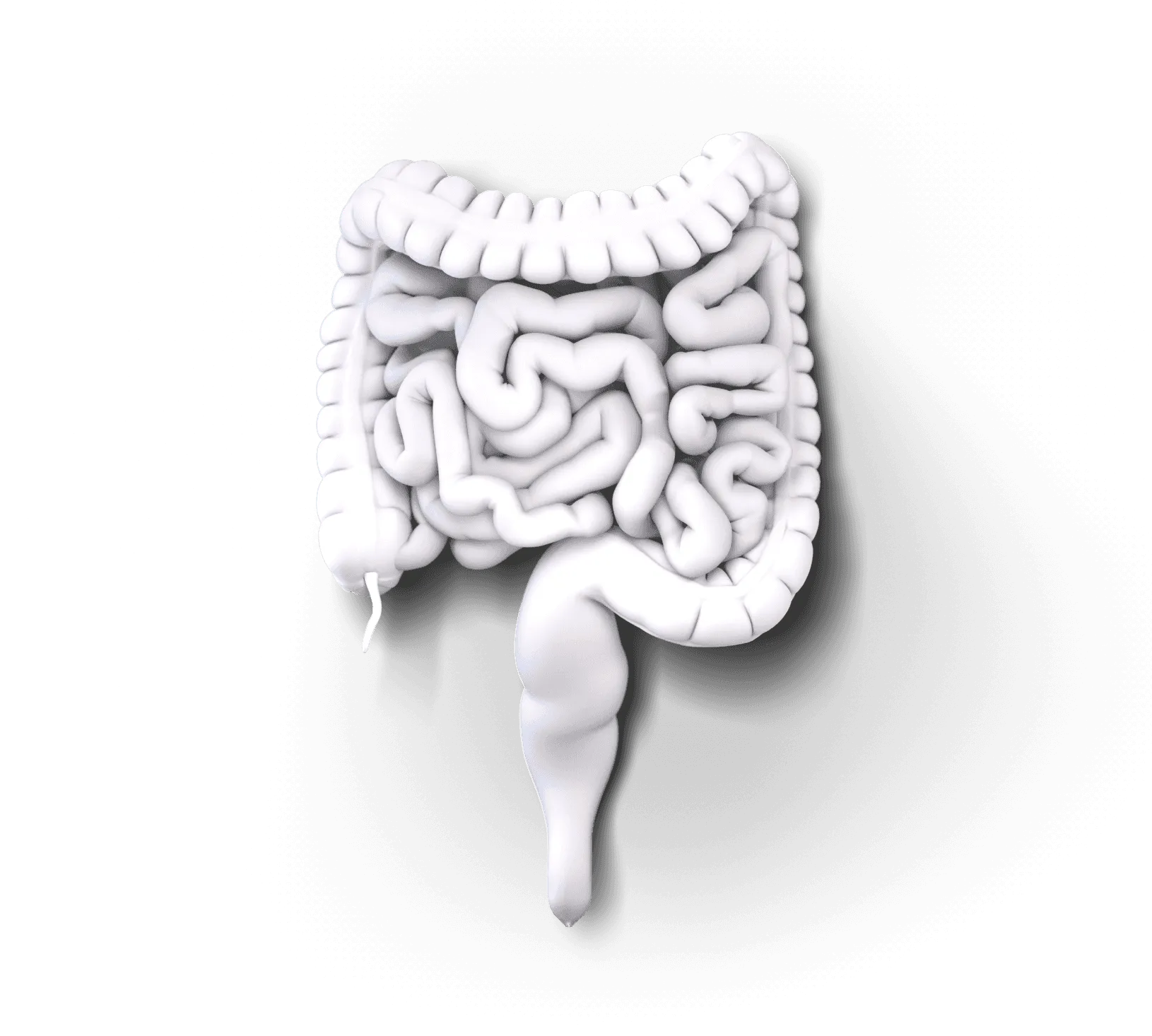
Inflammatory bowel disease (IBD) is a disease where the immune system attacks healthy cells in the digestive tract by mistake. This causes inflammation and damage.

What is IBD?
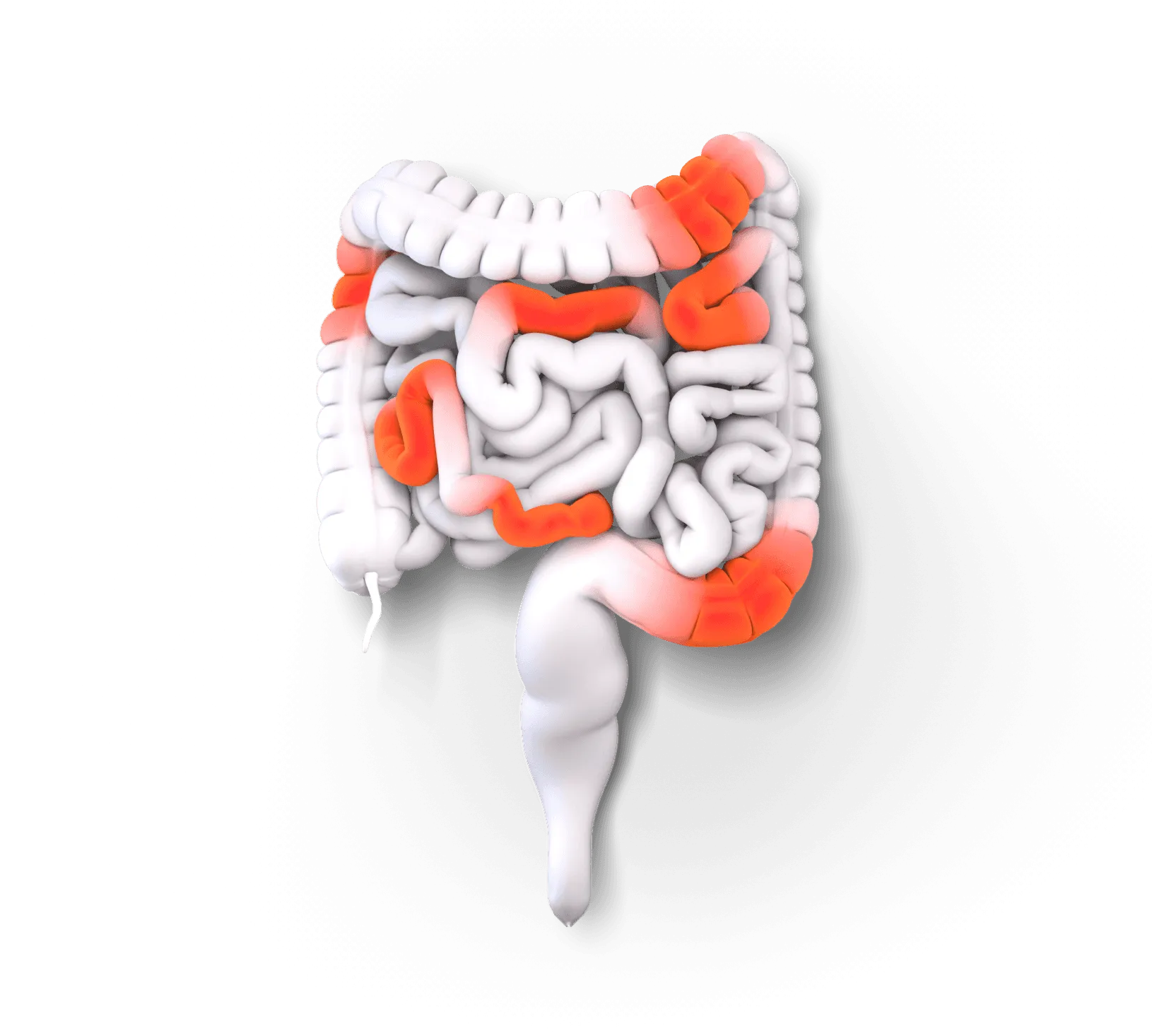
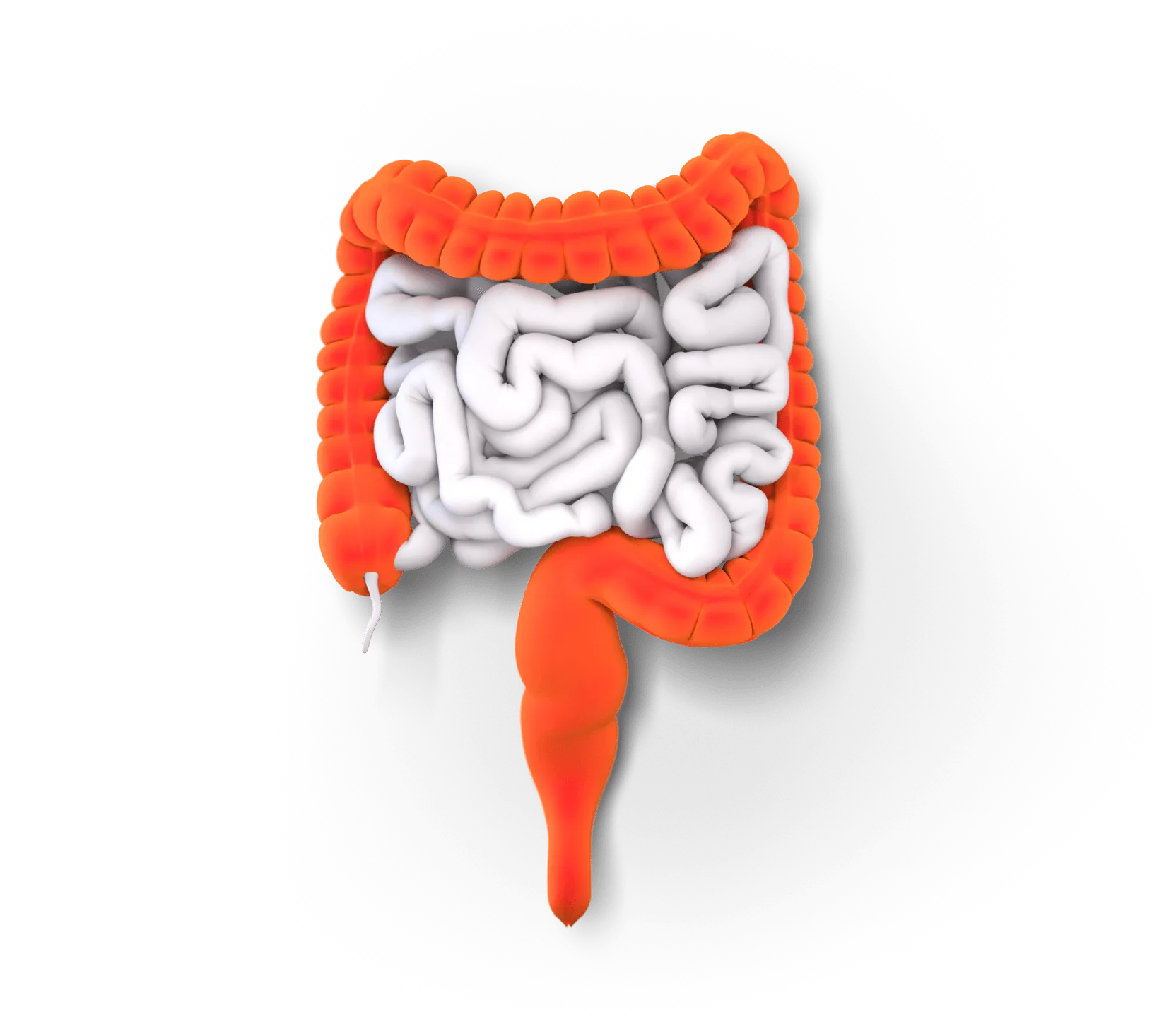
It’s been estimated that there are more than 100,000 Americans younger than 20 who have been diagnosed with IBD. The two main types are Crohn’s disease (CD) and ulcerative colitis (UC). Though UC is more common in adults, CD is more common in children in the US.

In addition to CD and UC, some children are diagnosed with inflammatory bowel disease unclassified (IBD-U). IBD-U may be diagnosed when inflammation has features of both CD and UC, or when there is not enough information to clearly classify the disease as either condition. Talk to your child’s healthcare team to learn more.

What are the common symptoms of pediatric IBD?
Signs and symptoms of IBD: general
If you notice these signs and symptoms in your child or teen, talk with their pediatrician. Your child may not have every symptom, but even a few are worth discussing.
Poor growth
Weight loss or lack of weight gain
Abdominal pain
Diarrhea
Blood in the stool
Constipation
Feeling like they have to go when they don’t
Nausea/vomiting
Cracks or painful bumps near the anus
Unexplained fevers
Urgent need to move bowels
If you notice these signs and symptoms in your child or teen, talk with their pediatrician. Your child may not have every symptom, but even a few are worth discussing.
Poor growth
Weight loss or lack of weight gain
Abdominal pain
Diarrhea
Blood in the stool
Constipation
Feeling like they have to go when they don’t
Nausea/vomiting
Cracks or painful bumps near the anus
Unexplained fevers
Urgent need to move bowels
Signs and symptoms of IBD: outside the digestive tract
There are some signs or symptoms of IBD that appear outside the digestive tract. These are called extra-intestinal manifestations (EIMs). EIMs are relatively common in children who have been diagnosed with IBD and can include:
Joint pain
Rashes or bruising on the shins
Irritation or redness in the eyes
Frequent canker sores
Kidney stones
Weak bones (called osteopenia)
Blood clots
Anemia
Inflamed liver or pancreas
Depression, anxiety, or sleep issues
There are some signs and symptoms of IBD that appear outside the digestive tract. These are called extra-intestinal manifestations (EIMs). EIMs are relatively common in children who have been diagnosed with IBD and can include:
Joint pain
Rashes or bruising on the shins
Irritation or redness in the eyes
Frequent canker sores
Kidney stones
Weak bones (called osteopenia)
Blood clots
Anemia
Inflamed liver or pancreas
Depression, anxiety, or sleep issues
Pediatric IBD tends to be more extensive and aggressive than when it appears in adults. It can also affect your child’s growth and development, including puberty. That’s why it’s so important to advocate for your child and seek a diagnosis quickly if you suspect they may have IBD.
IBD can have symptoms that overlap with other conditions, like irritable bowel syndrome (IBS) or celiac disease. Discuss the possibility of IBD with your pediatrician to see if your child should be tested.
| | IBD | |
| Abdominal pain | ||
| Diarrhea | ||
| Constipation | ||
| Bloody stools | ||
| Weight loss | ||
| Fever | ||
| Swelling or joint pain | ||
| Frequent canker sores | ||
| Chronic condition | ||
| Autoimmune disease | ||
| Can cause long-lasting problems | ||
| Can interfere with getting proper nutrients | ||
| Triggered by... | Interactions between genetics and the environment | Foods that contain gluten |
| Can cause symptoms beyond the digestive tract |
Reassure your child
Feeling ‘off’ or having bathroom trouble can be embarrassing, but these are just signals that your body might need a little extra help.


How is IBD diagnosed?
If you think your child may have IBD, it’s important to seek a diagnosis as soon as you can. In fact, putting off a diagnosis can actually increase the risk of complications in the future. It’s better to find out now and start making a plan.
If you think your child may have IBD, it’s important to seek a diagnosis as soon as you can. In fact, putting off a diagnosis can actually increase the risk of complications in the future. It’s better to find out now and start making a plan.


Diagnostic testing
Blood tests
A type of protein that can be found in the blood. If there are higher levels of this protein, it means there is inflammation occurring in the body.
This test is used to find out if there is inflammation in the body based on how quickly red blood cells settle in a test tube.
This test measures red and white blood cells, as well as hematocrit, hemoglobin, and platelets.
A routine blood test that measures 14 different items in the blood, including protein and electrolyte levels.
Endoscopic procedures and biopsy
A biopsy is a procedure that collects a tissue sample that is later examined under a microscope. A tissue sample can be taken from the digestive tract during an endoscopic procedure.
This procedure gives an inside look of the entire colon using a tiny tube that has a camera on the end.
This procedure uses a tiny tube that has a camera on the end to examine the upper part of the digestive tract, including the esophagus, stomach, and the beginning of the small intestine.
This procedure helps find problem areas in the small intestine. For this procedure, your child swallows a capsule that has a camera in it that scans the digestive tract as it makes its way through the tract and exits the body in the stool.
Imaging tests
An MRI uses a magnetic field and radio waves to create images of the gut and surrounding areas without any exposure to radiation. Note: An MRI requires your child to lie still for up to an hour and may require sedation for younger children.
An ultrasound uses sound waves to create images of structures inside the body.
A contrast study is a type of X-ray that uses a contrast substance, such as barium, that allows healthcare providers to see things that are not visible on X-rays without the use of barium contrast. Barium is a white powder that is mixed with water. The patient drinks it before the X-ray.
Stool tests
Fecal calprotectin levels can be used as a marker to detect inflammation in the intestine.
Lactoferrin is a protein that may be found in the stool when inflammation is occurring in the intestines.
Reassure your child
It’s okay to feel nervous. Let’s talk to your GI doctor so they can explain why the testing is needed and what you can expect.

“I’ve gotten two colonoscopies...I’m proud I was really brave.”
“I’ve gotten two colonoscopies...I’m proud I was really brave.”
Ezra Living with IBD
Featured
resource

Pediatric IBD FAQs
Find straightforward answers to common questions about IBD in children.

Sign up to get email updates.
Opt in to receive email updates when we have new resources, patient stories, Living with IBD updates, and more.
Get email updates