
Understanding pediatric ulcerative colitis
Ulcerative colitis, also known as UC, is a common type of inflammatory bowel disease (IBD). It’s a lifelong disease that causes inflammation in the large intestine.

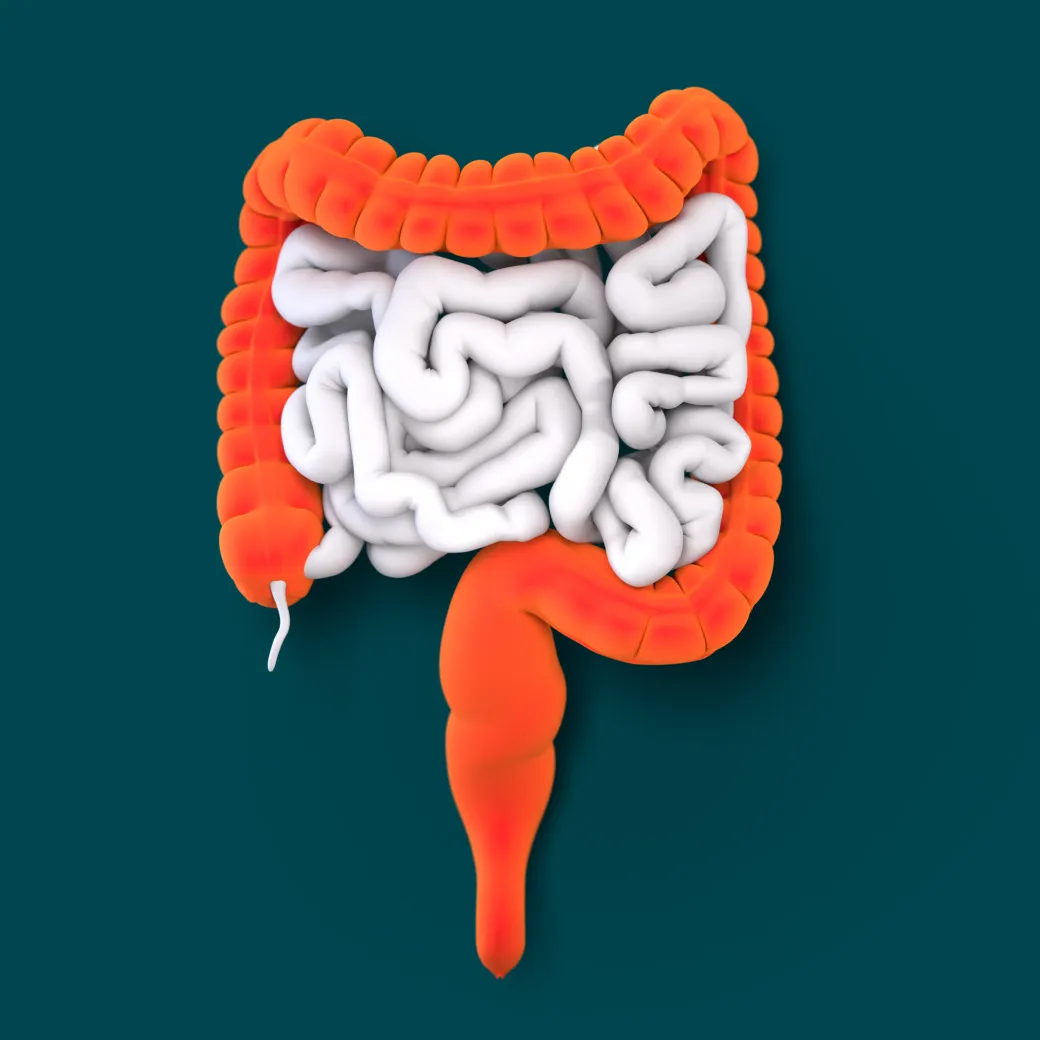
What is ulcerative colitis?
Ulcerative colitis causes inflammation along the lining of the large intestine. It typically begins in the rectum and extends continuously through the colon.
When the lining becomes inflamed, it can create sores called ulcers that can lead to blood and mucus in your child’s stool.
Types of UC
UC can be classified in different ways. Sometimes it is classified by the pattern, severity, or location of the inflammation and can change over time.
Typical UC may include inflammation that is spread evenly throughout the intestinal lining, extending through the rectum
Atypical UC may have patchy inflammation, may include the stomach, or may not involve the rectum
Acute severe colitis may have inflammation that goes deeper than the lining of the intestine
Ulcerative proctitis only includes inflammation in the rectum
Left-sided colitis only has inflammation in the last parts of the colon, on the left side of the abdomen
Extensive colitis can have inflammation that includes the entire length of the colon
Onset and causes
Though it can appear at any age, pediatric IBD usually starts during adolescence.
It’s important to note that pediatric UC can mean a higher risk for more severe disease and complications than adult-onset UC, so make sure your child is getting the help and treatment they need. Ulcerative colitis is believed to be due to a combination of genetics and environment. Together, these factors trigger an immune response that causes inflammation.
You may wonder what a UC diagnosis means for your child’s future. While UC is a lifelong condition, many children are able to live active lives—and are healthy more often than they are unwell. With ongoing care, they can continue to grow, learn, and take part in the activities they enjoy the most.
What are the common symptoms of pediatric UC?
There are many ways UC can show up in the body. You may want to pay particular attention if your child is growing more slowly than expected. This can be one of the first ways that ulcerative colitis appears in children.
Signs and symptoms of UC: general
Many signs or symptoms are related to the digestive tract. These may include:
Poor growth
Weight loss or lack of weight gain
Abdominal pain
Diarrhea
Blood in the stool
Feeling like they have to go when they don’t
Constipation
Unexplained fevers
Urgent need to move bowels
Many signs or symptoms are related to the digestive tract. These may include:
Poor growth
Weight loss or lack of weight gain
Abdominal pain
Diarrhea
Blood in the stool
Feeling like they have to go when they don’t
Constipation
Unexplained fevers
Urgent need to move bowels
Signs and symptoms of UC: outside the digestive tract
There are some signs or symptoms of UC that appear outside the digestive tract. These are called extra-intestinal manifestations (EIMs) and include:
Joint pain
Unusual rashes
Irritation or redness in the eyes
Frequent canker sores
Kidney stones
Reduced bone mineral density
Blood clots or anemia
Inflammation of the liver
Depression, anxiety, or sleep issues
There are some signs or symptoms of IBD that appear outside the digestive tract. These are called extra-intestinal manifestations (EIMs) and include:
Joint pain
Unusual rashes
Irritation or redness in the eyes
Frequent canker sores
Kidney stones
Reduced bone mineral density
Blood clots or anemia
Inflammation of the liver
Depression, anxiety, or sleep issues
Contact your child’s GI doctor right away if you see any symptoms of UC worsening or reappearing.

How severe is pediatric UC?
UC looks different for every child.
In children, UC can mean a higher risk for more severe disease and complications than adult-onset UC, so staying on top of a doctor visit is really important. The tests your child’s GI doctor will run at these appointments help make sure the treatment is working—it’s important not to rely on symptoms alone.
It also helps to know how severe your child’s ulcerative colitis is, because that’s an important part of choosing treatments. If you’re not sure, it’s worth reaching out to your child’s GI doctor to ask.
If your child has moderate or severe ulcerative colitis, ask their GI doctor about all treatment options available, including when to start a biologic if appropriate.
Reassure your child
You didn’t do anything to get ulcerative colitis. It just happens sometimes, and it’s not your fault.

Which treatments are available for children and adolescents?
Goals of treatment include healing the tissue in the intestine—not just making symptoms go away. Talk to your child’s doctor about which treatment may fit your child’s situation.
Here are treatments for pediatric ulcerative colitis:
5-aminosalicylic acids (5-ASAs)
A type of drug that reduces inflammation in the lining of the gut.
Anti-TNFs
A type of medicine that blocks tumor necrosis factor (TNF) in the body to reduce inflammation in the intestine as well as other organs and tissues.
Corticosteroids (steroids)
A type of drug that works quickly to lower the activity of the immune system and decrease inflammation. They are usually only used for a short time because of their side effects.
They’re often used as a bridge until maintenance treatments can reach full effect.
Immunomodulators
A type of drug that suppresses the immune system’s ability to cause ongoing inflammation. They can take several months to improve symptoms.
Each treatment option comes with its benefits and potential risks, and depends on your child’s individual situation.
Biologics are medicines made from living cells that are given by an injection or an infusion (a needle placed in your vein). They target proteins in the body that may be involved with the inflammation that occurs in IBD.
Sometimes surgery is required if the disease gets too severe and/or your child develops complications.

Tips for talking with your child’s GI doctor
If your child has moderate or severe UC, make sure to talk through all the treatment options with their care team.
Working closely with their healthcare team can help you feel more confident and at ease with whatever path you choose together. You know your child best, so don’t be afraid to speak up.
Use the following tips to start the conversation with your child’s GI doctor.
- Ask about the severity of your child’s ulcerative colitis.
- If your child has moderate or severe ulcerative colitis, ask their GI doctor about all treatment options available, including when to start a biologic if appropriate.
- Don’t be afraid to ask questions about ways to reduce the risk of surgery later.
- Between appointments, you may be able to use a patient portal to message your child’s care team, review test results, and keep track of upcoming visits.
- It’s okay to be collaborative during these discussions—the more you know and understand, the more help you will be to your child.
“Even though IBD can be tough, it’s important to not spend all your time feeling bad for yourself.”
“Even though IBD can be tough, it’s important to not spend all your time feeling bad for yourself.”
Liliana Living with IBD
Discover more



Featured
resource

Guide to pediatric UC
From basics to more advanced knowledge, explore information about pediatric ulcerative colitis.

Sign up to get email updates.
Opt in to receive email updates when we have new resources, patient stories, Living with IBD updates, and more.
Get email updates